
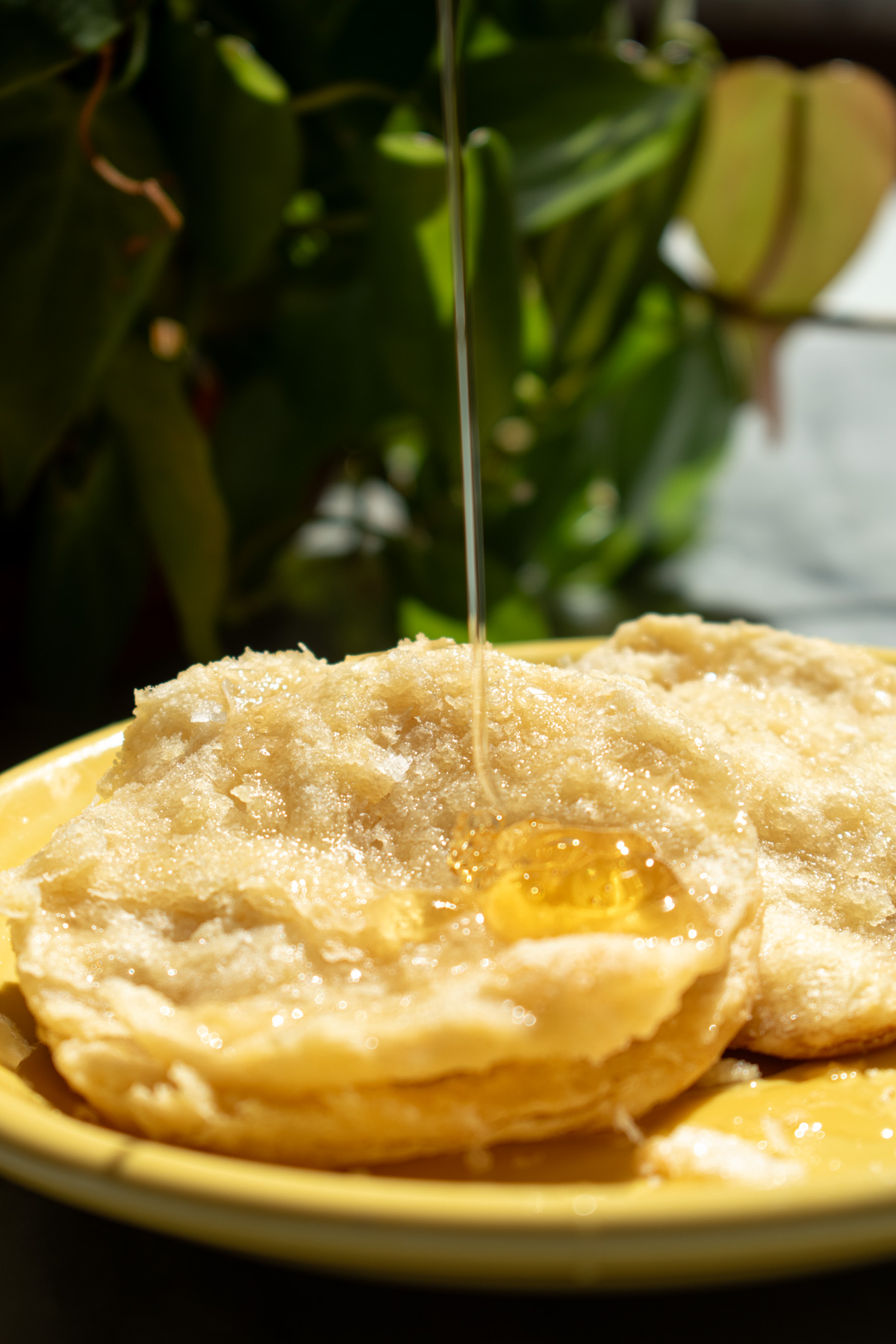
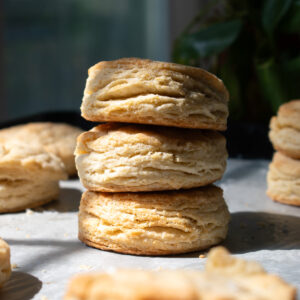
Tall, flaky sourdough discard biscuits are one of the best ways to put extra starter to work without waiting on a rise. They come out of the oven with crisp golden tops, buttery layers, and a soft, tender center.
They come together even faster than my sourdough discard garlic butter dinner rolls since there's no proofing involved, and they're just as good alongside a bowl of my sourdough rotisserie chicken pot pie. If your starter jar is overflowing again, this is the discard recipe to reach for.
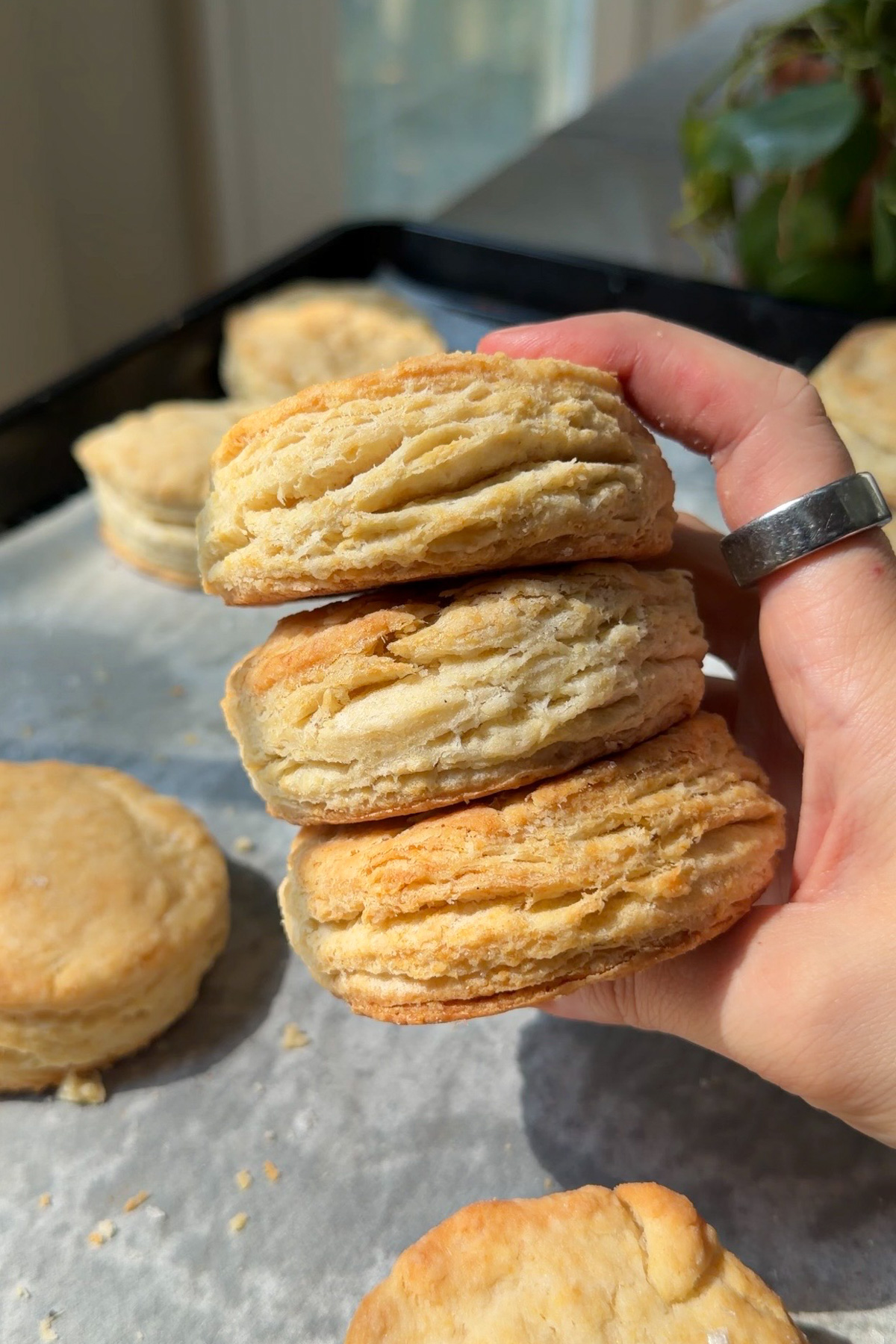
Quick Look: Sourdough Discard Biscuits
Yield: 10 biscuits
Oven Temp: 425°F (220°C)
Bake Time: 15–18 minutes
Active Time: About 25 minutes, plus a short chill
Calories: ~280 per biscuit (estimated)
Main Ingredients: Sourdough discard, cold butter, buttermilk, flour
SUMMARIZE & SAVE THIS CONTENT ON
Why you'll love this recipe
- No proofing required. The lift here comes from baking powder and baking soda, not fermentation, so there's no waiting around for the discard to do anything.
- Lots of flaky layers. A simple letter-fold technique builds visible layers without full lamination, the same folding logic I use in my easy buttery sourdough discard crescent rolls.
- A good way to use up discard. A full cup of discard goes into the dough instead of the trash, and it adds a subtle tang you can really taste.
- Quick from start to finish. Mixing, folding, and cutting the biscuits takes about 25 minutes of hands-on time.
- Freezer-friendly. Shaped biscuits freeze well, so you can bake a fresh batch on demand.
Jump to:
- Quick Look: Sourdough Discard Biscuits
- Why you'll love this recipe
- Ingredients You'll Need
- Easy Substitutions & Variations
- How to Make Sourdough Discard Biscuits
- Expert Tips
- What Makes This Recipe Special?
- Sourdough Discard Biscuits FAQs
- Sourdough Discard Biscuits Troubleshooting Guide
- Storage
- Other Breakfast Pairings to Consider
- Sourdough Discard Biscuits
Ingredients You'll Need
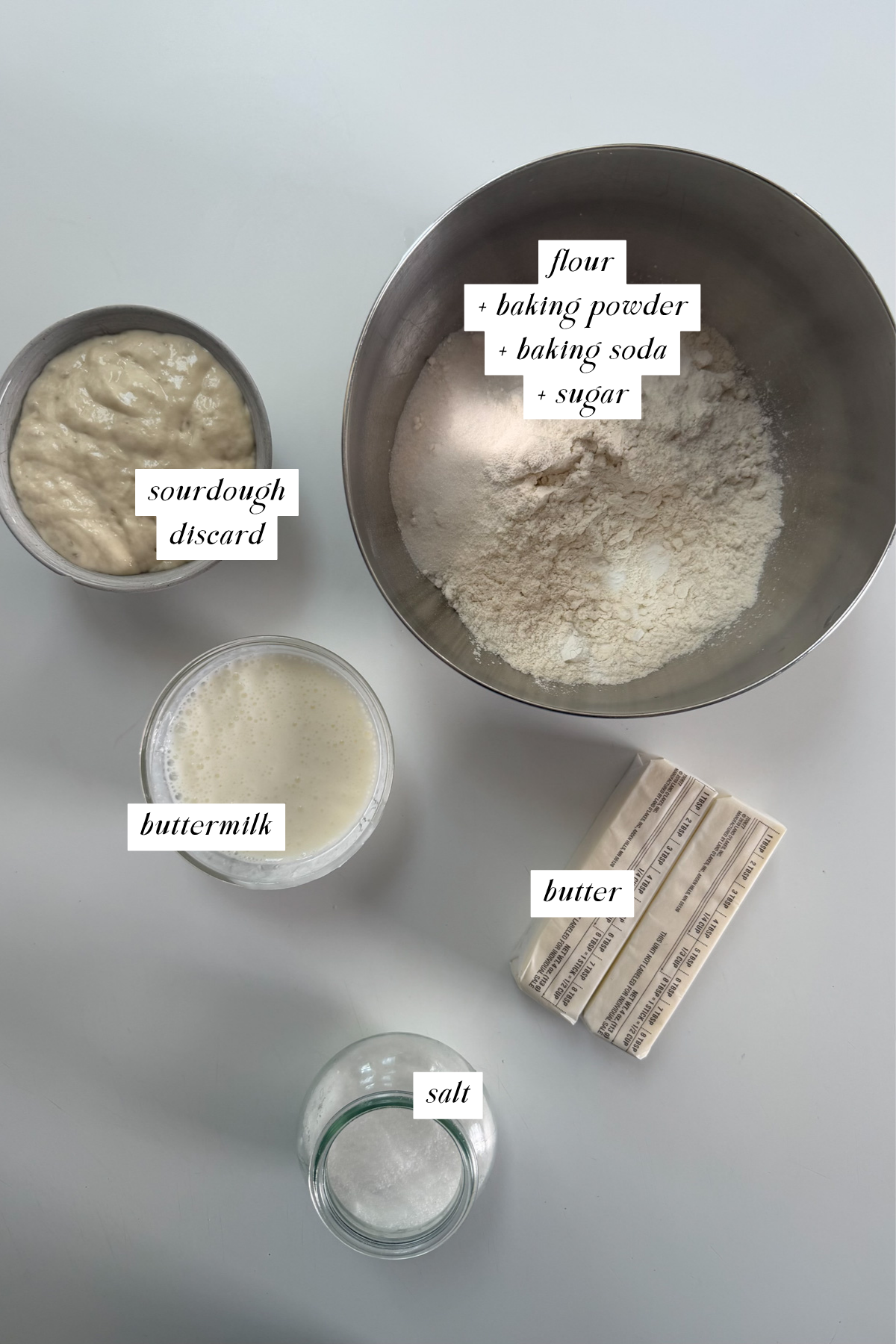
- All-purpose flour: the structure of the biscuit; spoon and level it or weigh it for accuracy.
- Baking powder and baking soda: the leavening team that gives these biscuits their height and open crumb.
- Fine sea salt and granulated sugar: balance the flavor without making the biscuits sweet.
- Very cold unsalted butter : cut into the flour in uneven pieces; those pockets of butter are what steam into flaky layers in the oven.
- Sourdough discard, 100% hydration, cold: the tangy backbone of the dough; cold discard is easier to handle and helps keep the butter from softening.
- Cold buttermilk: adds moisture and a little more tang, and helps activate the baking soda.
- Melted butter (or buttermilk), for brushing: brushed on before and after baking for a golden top.
See recipe card for quantities.
Easy Substitutions & Variations
- No buttermilk? Stir 1½ teaspoons of lemon juice or white vinegar into regular milk and let it sit for 5 minutes.
- Add-ins: Fold in shredded sharp cheddar and chives for a savory version, similar to how I dress up my sourdough cornbread.
- Thicker discard: If your starter is on the thicker side, whisk in an extra tablespoon of buttermilk so the dough comes together evenly.
- Thinner discard: If your discard is very loose, dust in an extra 1–2 tablespoons of flour while folding.
- Sweet version: Add a tablespoon more sugar and brush the baked biscuits with honey butter, the way I finish my fluffy sourdough discard cinnamon rolls.
- Here's the quick rundown before the detailed steps: mix the dry ingredients and cut in the butter, stir in the discard and buttermilk just until shaggy, fold the dough a few times for layers, then cut, chill, and bake.
How to Make Sourdough Discard Biscuits
Note: I bake by weight for accuracy. Cup measurements are approximate and may vary depending on how you scoop.
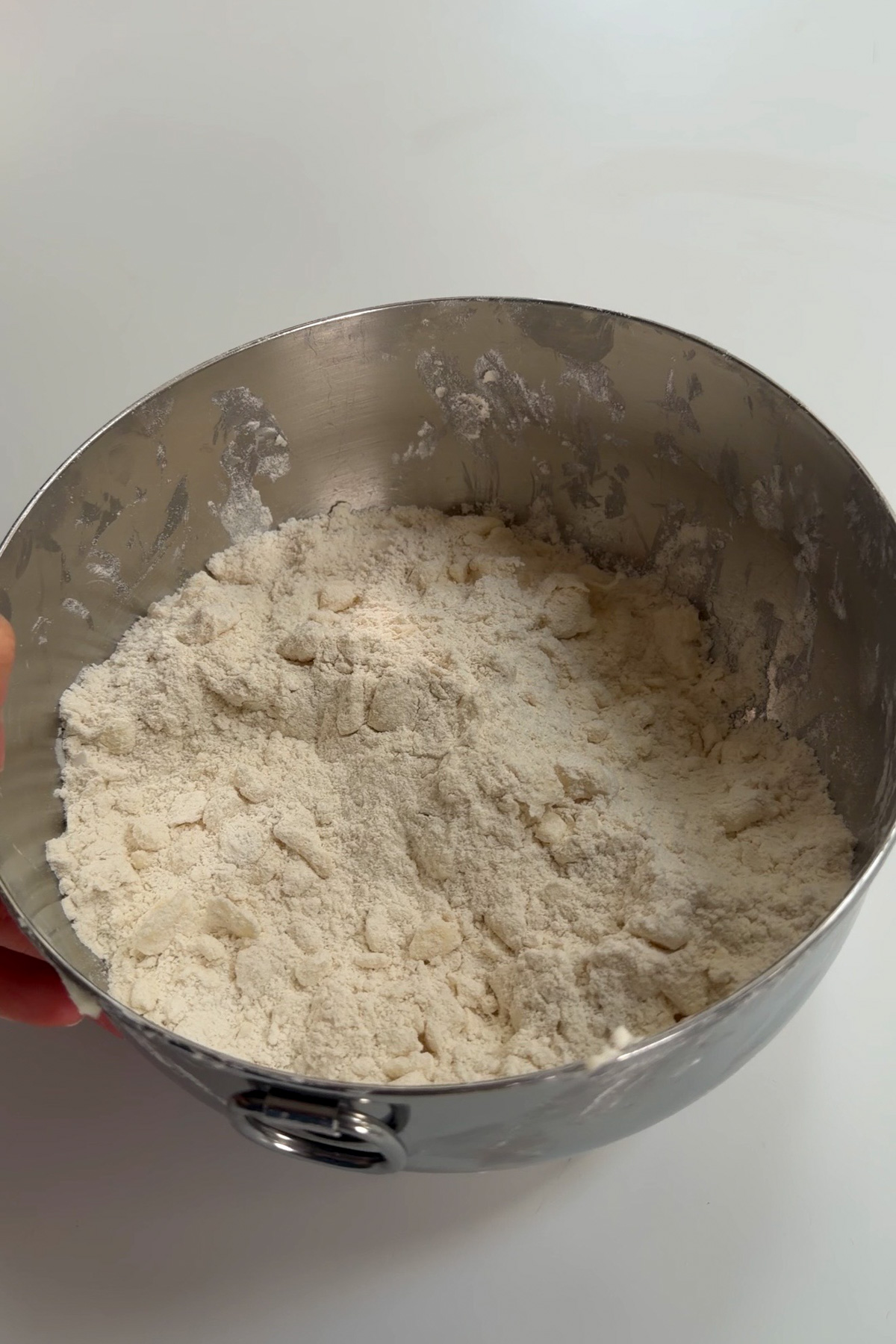
Step 1: 1. Mix the dry ingredients and cut in the butter. Whisk the flour, baking powder, baking soda, salt, and sugar together in a large bowl. Add the cold, cubed butter and cut it in with a pastry cutter or your fingertips until you have a mix of pea-sized and larger flat pieces.
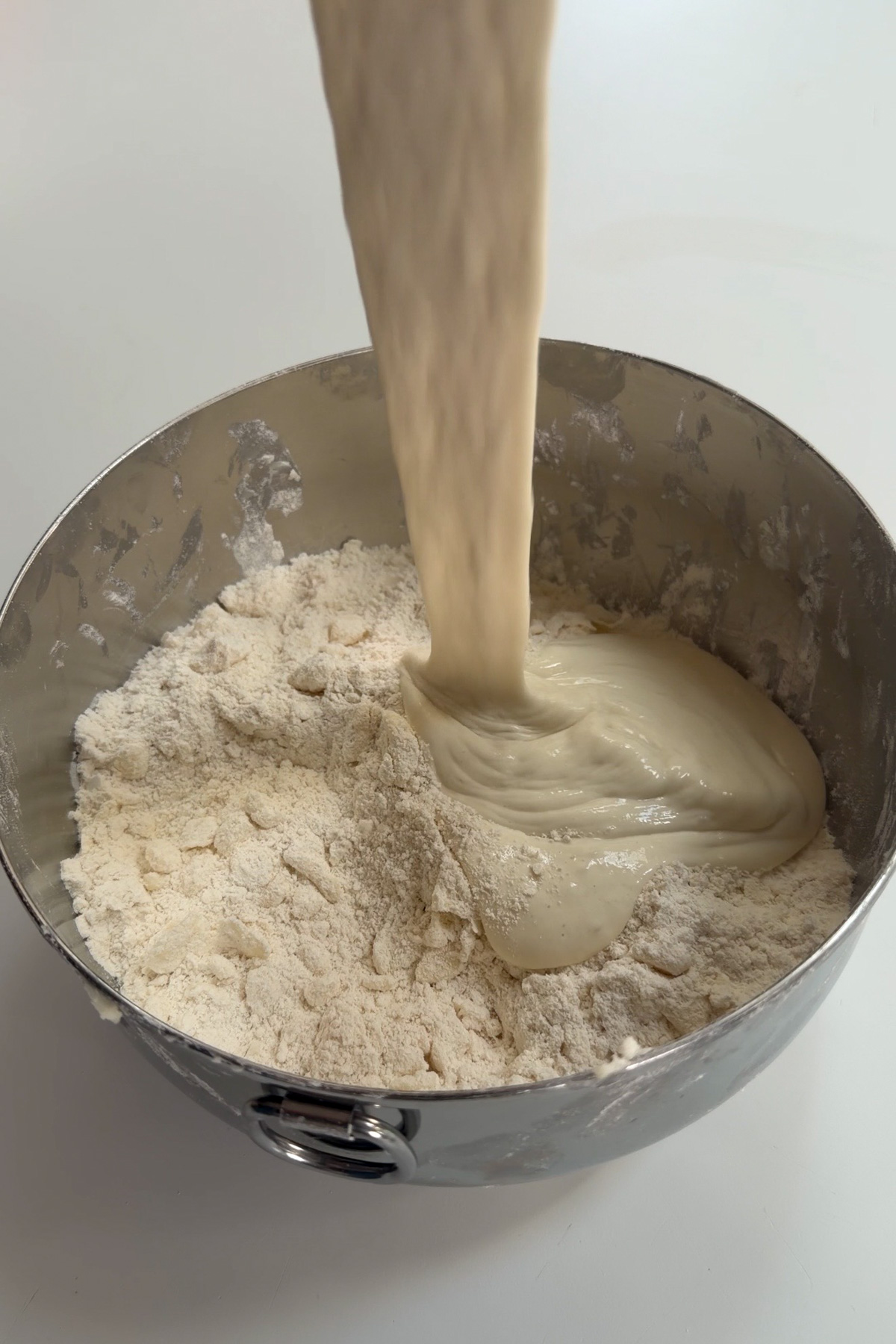
Step 2: Add the wet ingredients. Whisk the sourdough discard and buttermilk together until mostly smooth, then pour it into the dry ingredients. Stir gently with a fork just until a shaggy dough forms — stop as soon as it comes together.
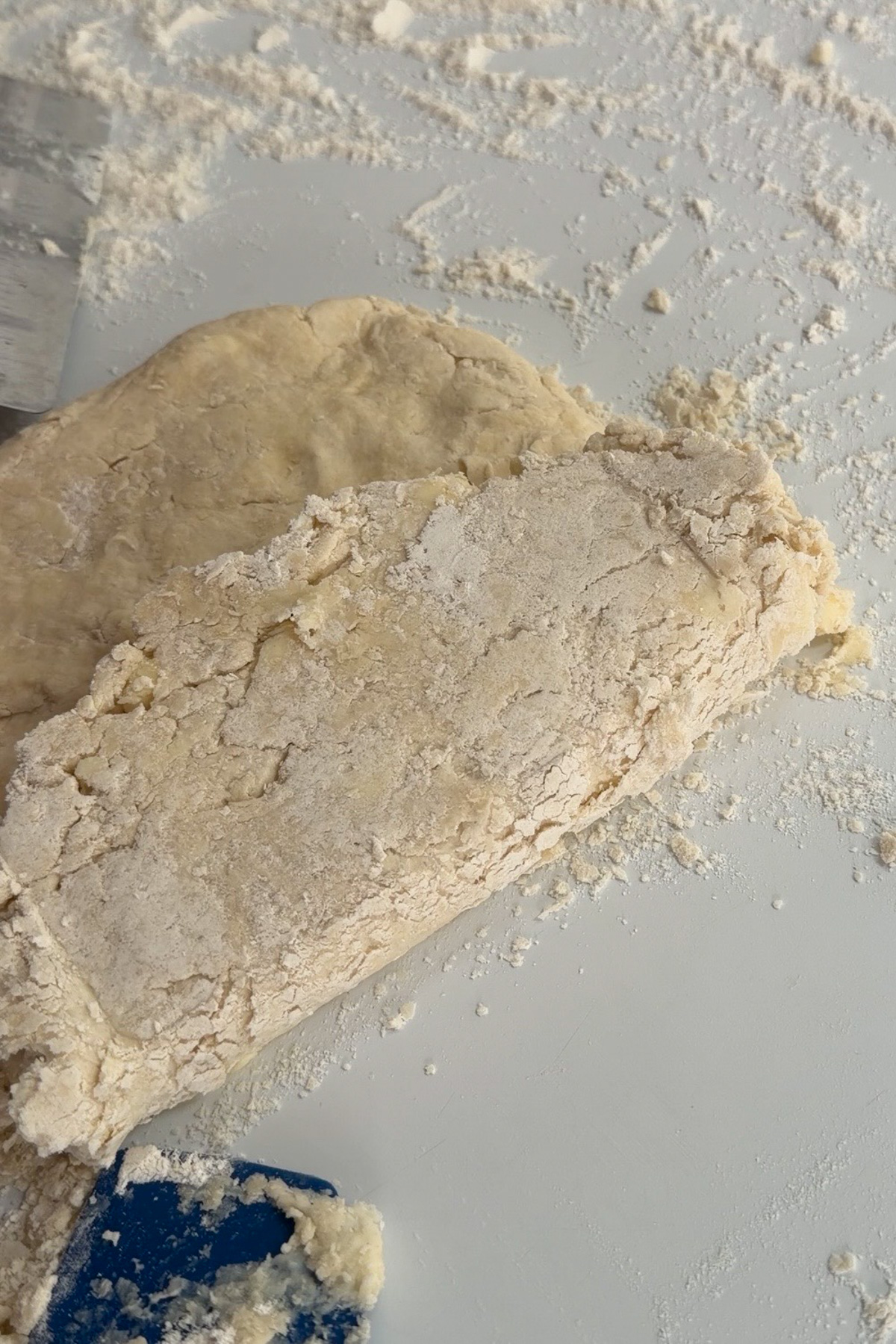
Step 3: Fold the dough. Turn the dough onto a floured surface and press it into a rough 1-inch-thick rectangle. Fold it into thirds like a letter, rotate 90 degrees, and repeat two more times, dusting with flour only if it turns sticky.
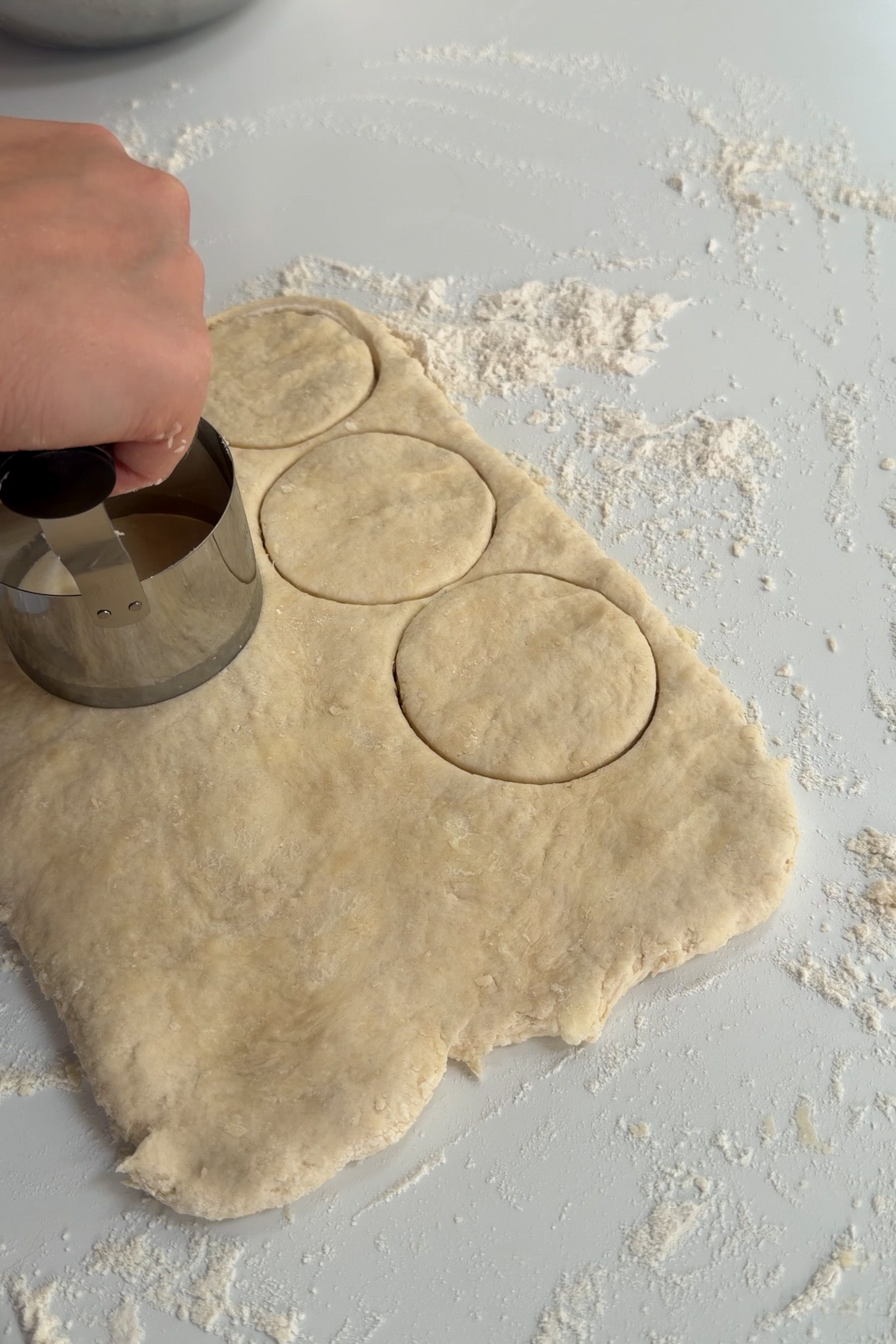
Step 4: Cut and chill. Pat the dough to ½–1 inch thick and cut straight down with a 2½- to 3-inch cutter, without twisting. Arrange the biscuits on a lined baking sheet and chill them in the fridge or freezer for 10–15 minutes while the oven finishes preheating.
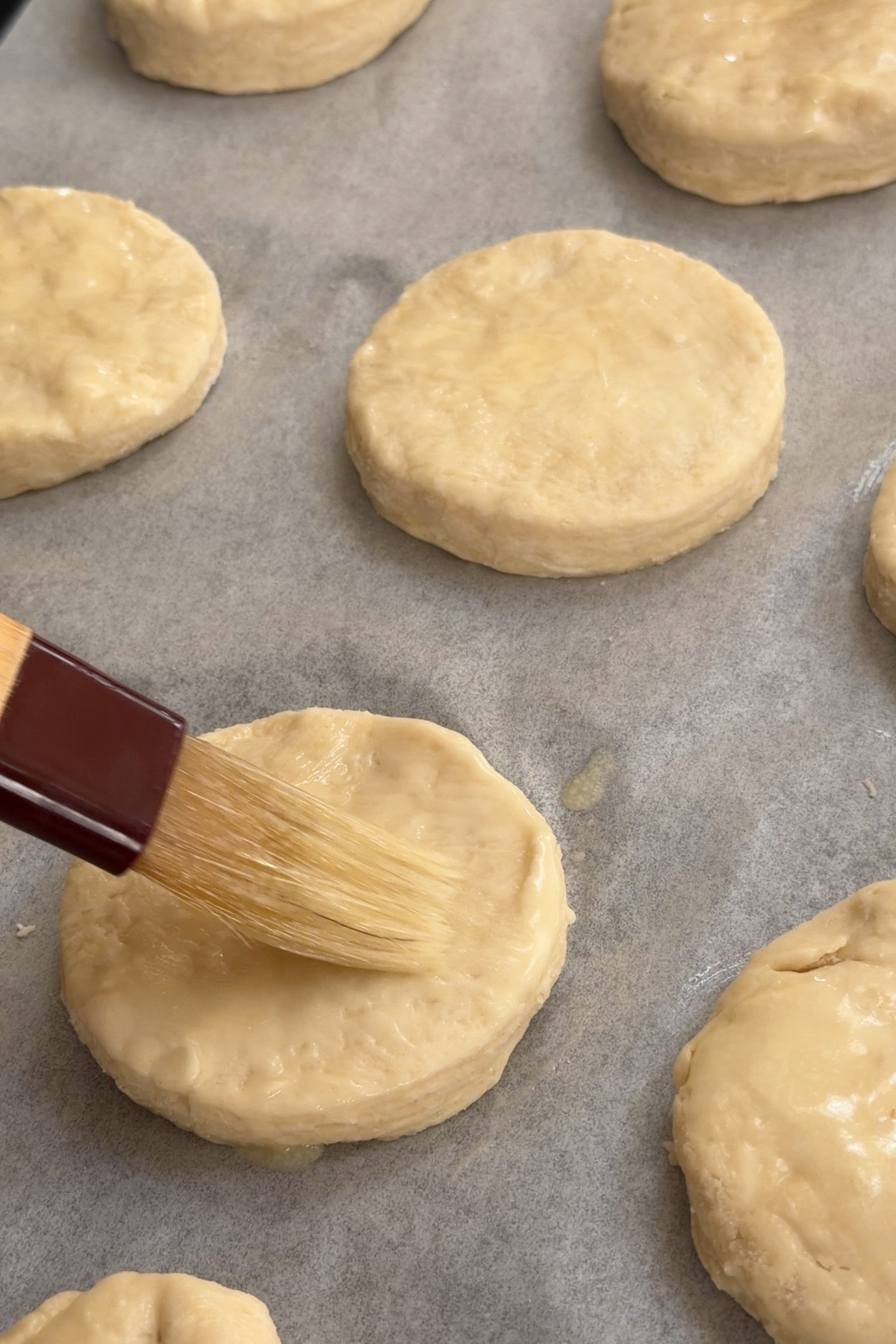
Step 5: Bake. Brush the tops with melted butter and bake at 425°F for 15–18 minutes, until tall and deeply golden. Brush with a little more melted butter right out of the oven and serve warm.
Weigh your ingredients! Using a kitchen scale ensures your measurements are accurate, which is key for getting consistent results in baking. It takes the guesswork out of measuring and helps your recipes turn out exactly as intended every time.
Expert Tips
- Keep everything cold. Cold butter, cold discard, and cold buttermilk are what give you the tallest, flakiest layers.
- Don't overwork the dough. It should look a little shaggy before folding; overmixing makes for tough biscuits.
- Let the folds do the work. Three simple letter folds build visible layers without a full lamination process, similar to the technique behind my sourdough discard ciabatta rolls.
- Chill before baking. That short rest in the fridge or freezer keeps the butter firm so it steams into layers instead of melting out.
What Makes This Recipe Special?
Most biscuit recipes skip the folding step entirely, but the three letter folds here are what separate these from a flat, dense biscuit.
It's the same layering logic behind laminated pastry, just simplified enough for a weekday batch, and it means you get real, visible layers without touching a rolling pin more than a couple of times, the way I approach the dough in my sourdough pull-apart bread.
Sourdough Discard Biscuits FAQs
Yes, either works here since the rise comes from baking powder and baking soda, not fermentation.
The dough was likely overworked, or the butter wasn't cold enough going into the oven; both flatten the layers.
Yes, you can shape and chill the biscuits, then hold them in the fridge for a few hours or freeze them, and bake straight from frozen with a few extra minutes.
No, this is a by-hand recipe. A pastry cutter, a bowl, and a fork are all you need.
Sourdough Discard Biscuits Troubleshooting Guide
| Problem | Cause | Fix |
|---|---|---|
| Biscuits didn't rise much | Butter melted before baking, or the cutter was twisted | Keep ingredients cold, chill the shaped dough, and cut straight down |
| Dough was sticky and hard to fold | Discard was on the thinner side | Dust in 1–2 extra tablespoons of flour while folding |
| Biscuits are tough | Dough was overmixed | Stop mixing as soon as the dough looks shaggy, and handle it gently |
| Layers aren't visible | Folding step was skipped or rushed | Complete all three letter folds, rotating the dough each time |
| Bottoms browned too fast | Baking sheet too dark, or oven runs hot | Use a lighter-colored sheet or double it up, and check a few minutes early |
Storage
- Sourdough discard biscuits are best the day they're baked.
- Store leftovers in an airtight container at room temperature for up to 2 days, and rewarm at 325°F for 5–8 minutes to bring back the texture.
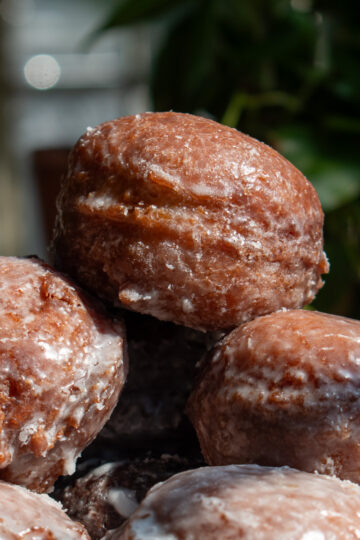
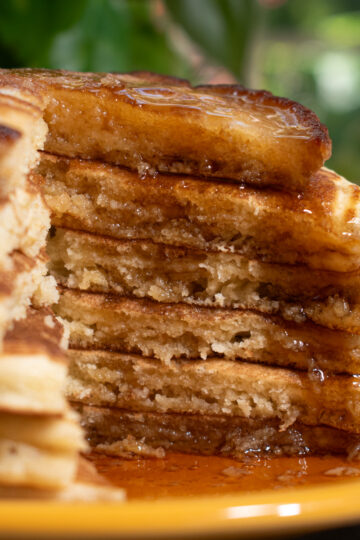
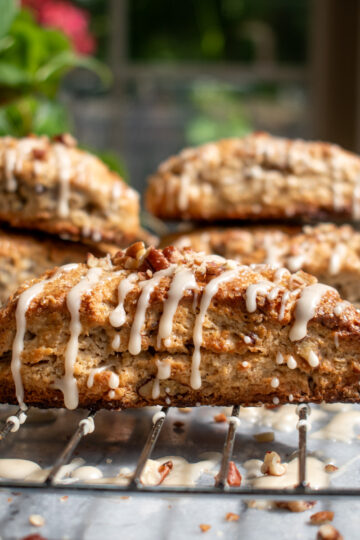
Other Breakfast Pairings to Consider

Did you make this recipe?
If you try this recipe, I’d love if you left a quick rating and review below! It really helps support my blog and lets others know how the recipe turned out for you. Also, don't forget to tag me @kneadedthat on Instagram and use the hashtag #kneadedthat so I can see what you made and share it!
Sourdough Discard Biscuits
Equipment
- Large mixing bowl
- Pastry cutter (or fingertips)
- Baking sheet
- Parchment Paper
- 3-inch biscuit cutter
Ingredients
- 300 g all-purpose flour 2 ½ cups
- 1 tablespoon baking powder
- ½ teaspoon baking soda
- 1 teaspoon fine sea salt
- 1½ tablespoons granulated sugar
- 142 g unsalted butter 10 tablespoons, very cold
- 240 g sourdough discard 1 cup, 100% hydration, cold
- 120 g cold buttermilk ½ cup
- 1 tablespoon melted butter for brushing
Instructions
- Preheat the oven to 425°F (220°C) and line a baking sheet with parchment paper.
- In a large bowl, whisk together the flour, baking powder, baking soda, salt, and sugar.300 g all-purpose flour, 1 tablespoon baking powder, ½ teaspoon baking soda, 1 teaspoon fine sea salt, 1½ tablespoons granulated sugar
- Cut the cold butter into small cubes, add it to the flour mixture, and toss to coat. Using a pastry cutter or your fingertips, cut the butter into the flour until you have a mix of pea-sized pieces and some larger flat pieces.142 g unsalted butter
- In a separate bowl, whisk together the sourdough discard and buttermilk until mostly smooth. Pour into the dry ingredients and stir gently with a fork or rubber spatula just until a shaggy dough forms. Do not overmix.240 g sourdough discard, 120 g cold buttermilk
- Turn the dough onto a lightly floured surface and press it into a rough 1-inch-thick rectangle. Fold into thirds like a letter, rotate 90 degrees, and press back into a rectangle. Repeat the fold 2 more times, dusting lightly with flour if the dough turns sticky.
- Pat the dough to ½ to 1 inch thick and cut straight down with the biscuit cutter, without twisting. Place the biscuits on the prepared baking sheet; close together for softer sides, or with about 1 inch of space for crisper edges.
- Chill the shaped biscuits in the refrigerator or freezer for 10-15 minutes while the oven finishes heating.
- Brush the tops lightly with melted butter and bake for 15-18 minutes, until tall and deeply golden brown on top. Brush with a little more melted butter immediately after baking, if desired, and serve warm.1 tablespoon melted butter
Notes
- Keep everything cold. Cold butter, cold discard, and cold buttermilk give you the best layers.
- Do not overwork the dough. It should look slightly shaggy before folding; overmixing can make the biscuits tough.
- Do not twist the cutter. Press straight down and lift straight up so the edges stay open and rise cleanly.
- If your discard is very thin, dust in an additional 1-2 tablespoons of flour while folding.
- Biscuits are best the day they're baked. Store leftovers in an airtight container at room temperature for up to 2 days, and rewarm at 325°F for 5-8 minutes.

Leave a Reply