
If you've ever stared at a jar of sourdough discard on your counter wondering whether to bake with it or pour it down the drain, this guide is for you.
I'm walking through everything I've learned about discard over years of feeding a starter and baking through the surplus — what it actually is, how to store it, how it behaves in a recipe, and which of my recipes to reach for depending on what you're craving. Bookmark this one; I'll keep it updated as I add new discard recipes to the site.
If you're brand new to sourdough altogether, this guide assumes you already have an established starter going. Once you've got that bubbling away on your counter, you'll have discard to deal with on a near-daily basis — and that's exactly what we're solving for here.
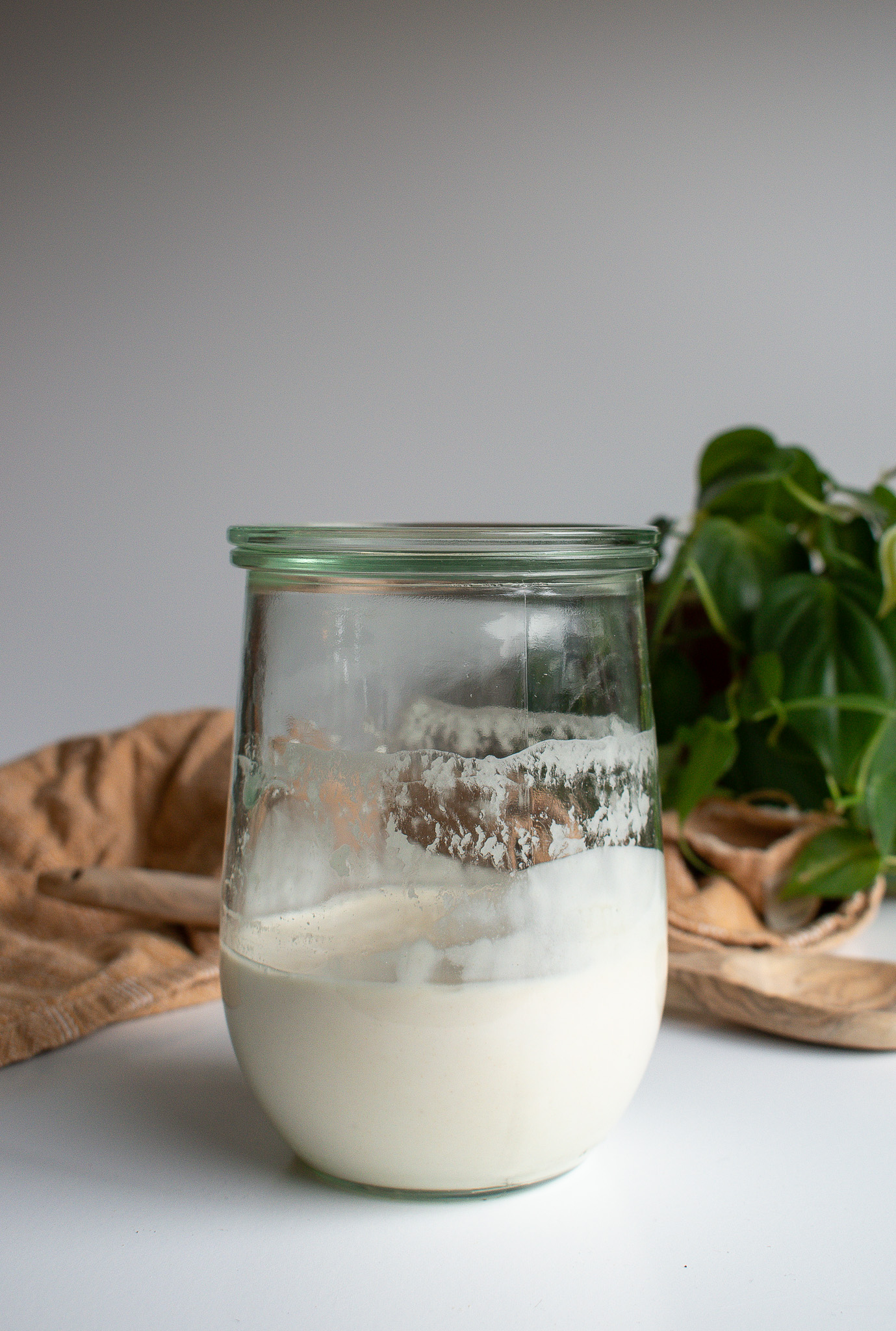
Sourdough Discard Baking: Quick Answers
Is it safe to eat? Yes — discard is unfed starter, not spoiled starter, as long as it hasn't grown mold or been left out for days on end.
Do I need to feed discard before baking with it? No. That's the entire point of discard recipes — they're built to use it as-is.
How long does it keep? About 1–2 weeks in the fridge, or several months in the freezer.
Can I use it in any recipe? Not quite any — but it can be swapped into a lot of recipes with a little adjustment. More on that below.
SUMMARIZE & SAVE THIS CONTENT ON
Jump to:
- Sourdough Discard Baking: Quick Answers
- What Is Sourdough Discard, Exactly?
- Is Sourdough Discard Safe to Eat?
- Discard vs. Active Starter: What's the Difference?
- How to Store Sourdough Discard
- What Sourdough Discard Does in a Recipe
- Can I Substitute Discard Into Any Recipe?
- How to Build a Discard Stash Without Wasting Flour
- 30+ Sourdough Discard Recipes to Try
- Expert Tips for Baking with Discard
- Sourdough Discard Troubleshooting Guide
- Sourdough Discard FAQs
- A Few Final Thoughts
What Is Sourdough Discard, Exactly?
Sourdough discard is the portion of your starter you remove and set aside before feeding it fresh flour and water. Every time you feed a starter, you're diluting it — if you just kept adding flour and water without ever removing any, you'd end up with an unmanageable, ever-growing bucket of starter within a couple of weeks. Discarding a portion first keeps the ratio of flour to water to existing culture consistent, which is what keeps your starter healthy and predictable.
The discard itself is just flour and water that's been fermented by wild yeast and bacteria, but hasn't been given a fresh meal recently enough to be at peak rise. It's mild, slightly tangy, and full of flavor — which is exactly why it's worth baking with instead of tossing.
Is Sourdough Discard Safe to Eat?
Yes. Discard is not spoiled — it's simply unfed starter. The fermentation process that makes sourdough starter possible is the same process happening in your discard jar; it's just been left to its own devices a bit longer, so it's less active and more sour-tasting.
The only time I'd toss discard is if you see pink or orange streaks (a sign of unwanted bacteria, not yeast) or fuzzy mold on top. A layer of grey liquid — often called "hooch" — is completely normal and just means your discard is hungry. Stir it back in or pour it off, either is fine.
Discard vs. Active Starter: What's the Difference?
This trips up a lot of new sourdough bakers, so it's worth being precise about it.
- Active starter has been fed recently and is at or near its peak rise — bubbly, domed, and roughly doubled in size. This is what you use in recipes that rely on the starter for leavening, like a loaf of sourdough bread, because it needs that active yeast activity to make the dough rise.
- Discard hasn't been fed recently, so its leavening power is weak or gone entirely. It still adds flavor, moisture, and a subtle tang, but it can't be relied on to make something rise on its own. That's why discard recipes almost always include a separate leavening agent — baking soda, baking powder, or yeast — to do the rising work that the discard itself can't.
If a recipe calls for "discard," you're safe using starter straight out of the fridge that hasn't been fed in a day or more. If a recipe calls for "active" or "bubbly" starter, you'll need to feed it and wait until it's near peak first.
How to Store Sourdough Discard
I keep a dedicated discard jar in the fridge and add to it every time I feed my starter, rather than using a fresh container each time. A few notes on storage:
- Refrigerator: Discard keeps well in the fridge for about 1–2 weeks. It'll continue to sour and develop more liquid on top the longer it sits — that's normal, just stir it back in before using.
- Freezer: For longer storage, freeze discard flat in a zip-top bag or in an ice cube tray for portioned amounts. It'll keep well for several months. Thaw it in the fridge overnight before baking with it — I like portioning mine out with something specific in mind, like a batch of sourdough discard bagels.
- Room temperature: I don't recommend leaving discard out on the counter for more than a few hours. It ferments quickly at room temp and can become too sour or develop off flavors.
- One jar, ongoing: Rather than starting a new discard container every feeding, keep one jar going and just add to it. It'll be at different stages of fermentation throughout, which is completely fine for baking purposes.
What Sourdough Discard Does in a Recipe
Discard isn't just a way to avoid food waste — it genuinely improves the recipes it goes into. Here's what it brings to the table:
Flavor. The fermentation gives baked goods a subtle tang and depth you don't get from flour and water alone. It's especially noticeable in things like pancakes, crackers, and plain breads where there's nothing else to mask it.
Moisture and tenderness. Discard is roughly half water by weight, so it adds hydration to a dough or batter. In muffins and quick breads, this often means a more tender, moist crumb.
Texture. In yeasted doughs like my sourdough discard sandwich bread, discard contributes to a slightly chewier, more open crumb than a straightforward flour-water-yeast dough.
Very little leavening. Worth repeating — don't count on discard to make anything rise. It's along for the ride flavor- and texture-wise, but the baking soda, baking powder, or commercial yeast in the recipe is doing the actual lifting.
Can I Substitute Discard Into Any Recipe?
Not quite any recipe, but you can adapt a lot of them. Since discard is roughly equal parts flour and water by weight, you can swap it into a recipe that isn't specifically written for discard by adjusting both the flour and liquid amounts.
The basic rule of thumb: for every 100g of discard you add, reduce the recipe's flour by about 50g and its liquid (milk, water, etc.) by about 50g. This keeps the overall hydration of the batter or dough roughly balanced.
A few caveats I've learned the hard way:
- This works best in recipes that are already fairly forgiving — muffins, pancakes, quick breads, biscuits. It's trickier in recipes with precise structure requirements, like laminated doughs or delicate cakes.
- Discard adds acidity, which can affect how baking soda reacts (baking soda needs an acid to activate). If you're improvising, err toward baking soda over baking powder, or use a bit of both.
- Start with recipes specifically developed for discard before you start improvising your own conversions — it'll give you a feel for how discard behaves before you're troubleshooting blind. My sourdough discard pizza crust is a good example of a recipe built around this exact ratio, if you want to see the math in action.
How to Build a Discard Stash Without Wasting Flour
If you're feeding your starter once or twice a day, discard adds up fast. A few ways I keep it from going to waste:
- Feed smaller amounts more often if you're not baking much that week — this produces less discard overall.
- Keep a running fridge jar (as mentioned above) so you're not managing multiple containers.
- Freeze in usable portions. I freeze mine in roughly 1-cup portions since that's the amount most of my recipes call for, so I can pull exactly what I need.
- Bake something weekly. Once you have a rotation of a few go-to discard recipes, using up a cup or two a week becomes second nature rather than a chore. My cheesy sourdough discard garlic knots and sourdough discard pretzel bites are both quick enough that I make one of them almost every week.
30+ Sourdough Discard Recipes to Try
Once you've got discard on hand, here's where to put it to use. I've grouped these by type so it's easy to find something for whatever you're in the mood for.
Sourdough Breads & Rolls Recipes
- Sourdough Discard Sandwich Bread — a soft, everyday loaf that's my go-to for using up a big batch of discard.
- Sourdough Discard Ciabatta Rolls — airy, chewy, and great for sandwiches.
- Sourdough Discard Garlic Butter Dinner Rolls — pillowy rolls brushed with garlic butter, perfect alongside a weeknight dinner.
- Easy Sourdough Discard Hotdog Buns — sturdy enough to hold up to toppings, with real flavor.
- Soft Sourdough Discard Burger Buns — the burger night upgrade you didn't know you needed.
- Sourdough Discard Pretzel Bites — a fun way to use discard beyond the usual loaf.
- Sourdough Discard Pull-Apart Bread with Garlic and Thyme — cheesy, herby, and perfect for sharing.
- Easy Sourdough Discard Bagels — chewy homemade bagels with a subtle tang.
- Cheesy Sourdough Discard Garlic Knots — buttery, garlicky, and always the first thing gone at the table.
- Easy Buttery Sourdough Discard Crescent Rolls — flaky, same-day rolls with no overnight wait.
- Easy Sourdough Discard Pizza Crust — my go-to crust whenever discard's piling up before pizza night.
Cornbread & Savory Sourdough Discard Recipes
- Easy Sourdough Discard Cornbread — classic, buttery cornbread with a subtle sourdough tang.
- Easy Sourdough Discard Cornbread Muffins — the same cornbread flavor in grab-and-go muffin form.
- Quick and Easy Sourdough Rotisserie Chicken Pot Pie — discard folded into a flaky, comforting crust.
Sourdough Muffins & Quick Bread Recipes
- Sourdough Discard Banana Muffins — a great use for discard and overripe bananas at the same time.
- Sourdough Discard Blueberry Muffins — tender, moist muffins with the discard tang balancing the sweetness of the berries.
- Sourdough Discard Carrot Snack Cake — a spiced, not-too-sweet snack cake I make on repeat.
- Sourdough Pumpkin Banana Muffins — a fall mashup of two favorites, with a cinnamon streusel top.
- Sourdough Banana Bread with Cinnamon Streusel — my classic banana bread, made even better with discard.
- Sourdough Pumpkin Bread — cozy, spiced, and a great way to use discard all fall long.
Cake & Cupcake Sourdough Discard Recipes
- Sourdough Discard Funfetti Layer Cake — proof that discard belongs in celebration bakes too, not just everyday loaves.
- Sourdough Chocolate Cupcakes — rich, tender cupcakes with a deep chocolate flavor.
- Sourdough Discard Coffee Cake Loaf — cinnamon streusel and vanilla glaze on a moist discard loaf.
Sourdough Cookies & Bars
- Sourdough Pumpkin Cheesecake Cookies — soft pumpkin cookies with a creamy cheesecake filling.
- The Best Sourdough Chocolate Peanut Butter Swirl Cookies — chocolate and peanut butter swirled into every bite.
- Chocolate-Stuffed Sourdough Peanut Butter Cookies — a chocolate surprise in the center of a classic peanut butter cookie.
- Sourdough Discard Peanut Butter Cookies — simple, classic, and a great way to use up a small amount of discard.
- The Best Fudgy Sourdough Discard Brownies — dense, fudgy brownies with a boost of flavor from discard.
Sweet Rolls & Breakfast
- Fluffy Sourdough Discard Cinnamon Rolls — soft, pillowy rolls with the discard adding depth to the dough.
- Sourdough Discard Cinnamon Swirl Bread — like cinnamon toast bread, but better.
- The Best Sourdough French Toast — a weekend breakfast staple that puts discard to good use.
Expert Tips for Baking with Discard
- Weigh your discard. Discard varies in consistency depending on how long it's been sitting, so measuring by weight (rather than volume) gives you the most consistent results. I always recommend a kitchen scale for this reason — it's the single biggest upgrade to consistency in my own baking.
- Let cold discard come to room temperature before baking with it, especially in yeasted doughs, so it doesn't slow down the rise.
- Don't skip the leavening agent. Even a very bubbly discard shouldn't be trusted to rise a dough on its own — always follow the recipe's baking soda, baking powder, or yeast amount.
- Older discard = more tang. If you prefer a milder flavor, use discard that's only a day or two old. If you love that sour edge, let it sit closer to the two-week mark before baking with it — this is where a recipe like the best sourdough French toast really shines, since the tang comes through even under maple syrup.
- Dairy-free? Most of my discard recipes can be made dairy-free by swapping butter for a plant-based alternative and milk for your favorite non-dairy version — the discard itself is naturally dairy-free.
Sourdough Discard Troubleshooting Guide
| Problem | Likely Cause | Fix |
|---|---|---|
| Baked good didn't rise | Relied on discard for leavening instead of a separate leavening agent | Add baking soda, baking powder, or yeast per the recipe — discard alone won't reliably rise a dough |
| Finished bake tastes too sour | Discard was very old or stored too long at room temperature | Use fresher discard (within a few days of removal), or add a touch more sugar to balance the tang |
| Batter or dough is too wet | Discard is thinner than the recipe expects, or too much was used | Add flour a tablespoon at a time until the texture matches the recipe description |
| Discard has a layer of grey liquid | Normal fermentation byproduct ("hooch") from a hungry starter | Stir it back in for more sour flavor, or pour it off for a milder result |
| Pink or orange streaks in discard | Unwanted bacterial contamination | Discard the batch and start your storage jar over — do not bake with it |
| Bread with discard is dense | Not enough active yeast, or discard used in place of active starter in a bread recipe | Confirm the recipe calls for discard specifically; if it calls for active starter, feed and let it peak first |
Sourdough Discard FAQs
Yes — most discard recipes are designed for cold, unfed discard straight from your storage jar. No need to bring it to room temperature unless a recipe specifically says to.
If a recipe says "discard," it means unfed starter is fine. If it says "active" or "bubbly" starter, you need starter that's been recently fed and is near its peak rise.
Generally yes, in most recipes — the swap mostly affects flavor and a small amount of texture, not the overall structure, since discard makes up a relatively small portion of the total flour in most recipes.
Not necessarily — some bakers feed without discarding and simply bake more often to keep the starter from overflowing. But for most home bakers, discarding a portion before each feeding is the easiest way to keep a starter manageable.
A strong, sour, almost nail-polish-remover smell just means the discard is very hungry and has been sitting a while — it's not unsafe, just extra tangy. If you don't love that flavor, use it in a recipe with plenty of sugar or spice to balance it, or discard it and start your jar over.
You can supplement with a bit of extra flour and water in roughly equal parts by weight, though you'll lose some of the tang and flavor discard specifically provides.
A Few Final Thoughts
The biggest shift for me in cutting down on wasted discard wasn't a single trick — it was building a small rotation of go-to recipes I actually reach for.
Once baking with discard becomes routine rather than a special project, that jar in the fridge stops feeling like a chore and starts feeling like a head start on whatever you're making next.
Lately my go-to has been the sourdough discard coffee cake loaf — it's become a bit of a Sunday tradition around here.
Did you find this guide helpful?
I'd love to hear which discard recipe you try first — tag me on Instagram @kneadedthat and use #kneadedthat so I can see your bakes!
Leave a Reply